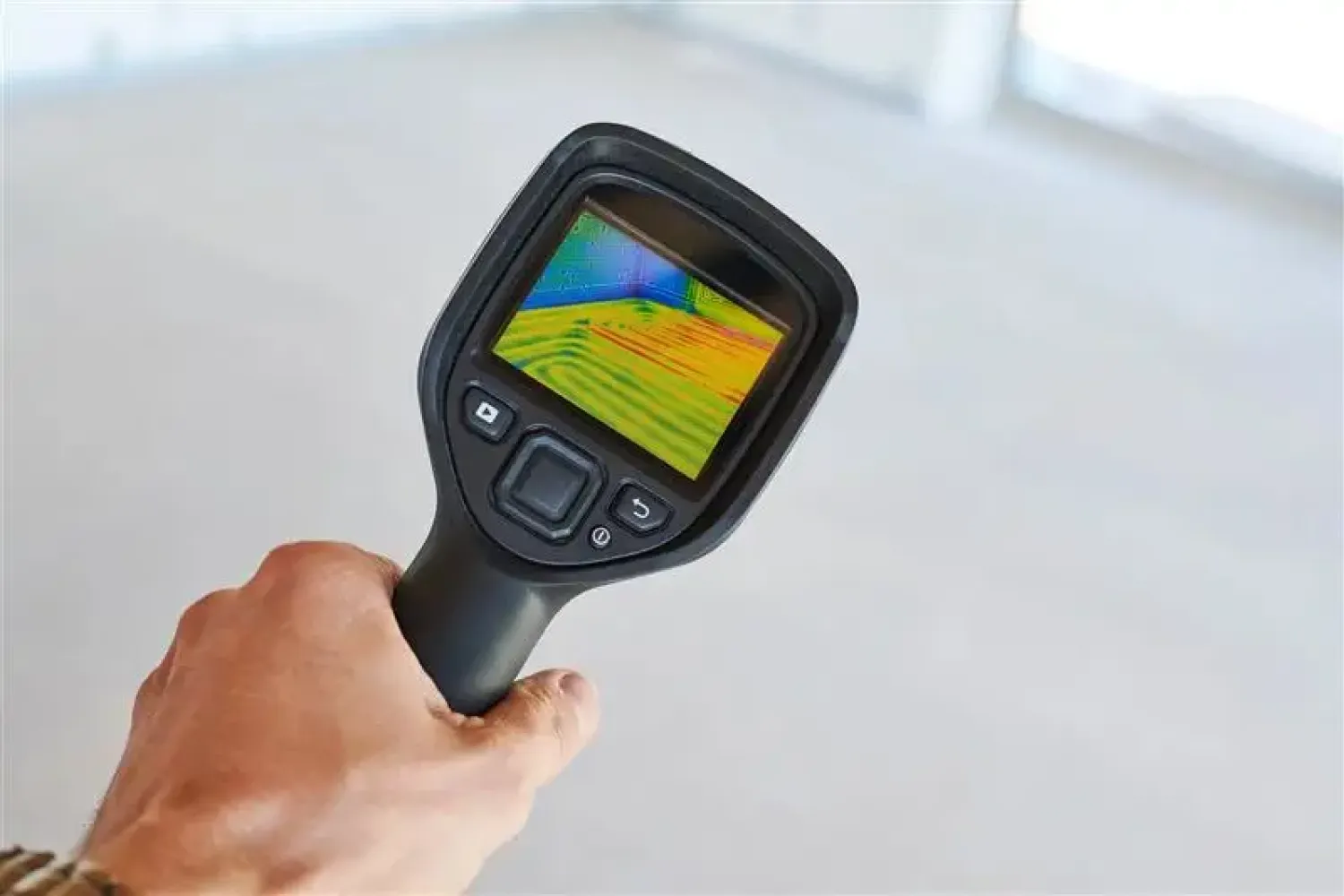
Thermal Imaging Inspections
At House Hounds Home Inspections, we’re your home’s best friend, providing thorough and reliable inspections throughout Palm Beach County.
With a keen nose for detail and a commitment to transparency, we help protect your investment and keep your home safe and secure.
Prevent Costly Repairs
Palm Beach County Experts
Peace of Mind
Advanced Thermal Imaging Inspections: Uncovering Hidden Issues in Florida Homes
Modern home inspection technology has revolutionized the way professionals assess property conditions, and thermal imaging stands at the forefront of this advancement. This cutting-edge diagnostic tool enables inspectors to see beyond visible surfaces, detecting hidden problems that traditional inspection methods simply cannot identify. For Florida homeowners and prospective buyers, thermal imaging inspections provide invaluable insights into moisture intrusion, energy efficiency, electrical hazards, and structural concerns that could otherwise remain undetected until they become costly emergencies.
Understanding Thermal Imaging Technology
Thermal imaging cameras, also known as infrared cameras, detect and measure heat energy radiated from objects and surfaces. Every object emits infrared radiation based on its temperature, and thermal cameras visualize these temperature variations as colorful images called thermograms. Warmer areas typically appear as red, orange, or yellow, while cooler areas display as blue, purple, or black, creating a visual heat map that reveals temperature differences across building surfaces.
This technology allows inspectors to identify anomalies invisible to the naked eye. Temperature variations often indicate underlying problems such as water leaks, missing insulation, air infiltration, electrical hotspots, or other issues that compromise your home's safety, comfort, and efficiency. Unlike destructive investigation methods that require cutting into walls or ceilings, thermal imaging provides non-invasive assessment that leaves your property intact while delivering comprehensive diagnostic information.
Critical Applications in Florida Homes
Florida's unique climate creates specific challenges that make thermal imaging particularly valuable for property assessment. The state's high humidity, frequent rainfall, intense heat, and potential for severe weather create conditions where hidden problems can develop and worsen rapidly. Thermal imaging technology excels at identifying these issues before they cause significant damage or pose safety hazards.
Moisture Detection and Water Intrusion
Water intrusion represents one of the most destructive and common problems in Florida homes. Whether from roof leaks, plumbing failures, condensation issues, or exterior envelope breaches, unwanted moisture can cause extensive damage to building materials, promote dangerous mold growth, and compromise structural integrity. The challenge with water damage is that it often occurs within wall cavities, beneath flooring, or above ceilings where it remains hidden until substantial destruction has occurred.
Thermal imaging cameras detect moisture by identifying temperature variations caused by evaporative cooling. Wet building materials have different thermal properties than dry materials, appearing cooler on thermographic images due to evaporation. This allows inspectors to pinpoint active leaks, trace moisture pathways through building assemblies, and identify areas affected by water damage that show no visible signs of problems.
In Florida's humid environment, identifying moisture intrusion early is critical for preventing mold growth. Mold can begin developing within 24 to 48 hours of water exposure, and once established, it can spread rapidly throughout affected areas. Thermal imaging helps locate moisture problems in their early stages, when remediation is simpler and less expensive than addressing full-scale mold contamination.
Roof Leak Detection
Florida's frequent afternoon thunderstorms and occasional hurricanes make roofs particularly vulnerable to leaks and damage. Traditional roof inspections examine visible exterior surfaces, but thermal imaging reveals problems beneath roofing materials that aren't apparent from visual inspection alone. Wet roof decking, saturated insulation, and compromised underlayment all display distinctive thermal signatures that alert inspectors to existing or potential leaks.
Thermal imaging is especially valuable for flat or low-slope roofs common on Florida homes and commercial buildings. These roof systems are prone to ponding water and membrane failures that allow moisture infiltration. By identifying wet areas within the roof assembly, inspectors can pinpoint specific locations requiring repair, eliminating guesswork and preventing unnecessary roof replacement when targeted repairs would suffice.
Energy Efficiency Assessment
Florida homeowners face substantial cooling costs throughout most of the year, and energy efficiency directly impacts both comfort and utility expenses. Thermal imaging provides detailed visualization of your home's thermal envelope, identifying areas where conditioned air escapes and hot outdoor air infiltrates. These energy losses force air conditioning systems to work harder and run longer, driving up electricity costs while reducing indoor comfort.
Missing or inadequate insulation appears clearly on thermal images as areas with temperature variations that differ from properly insulated sections. Gaps in insulation, compression reducing effectiveness, and areas where insulation has settled or been damaged all become visible through thermal imaging. This information allows homeowners to prioritize insulation improvements where they'll provide the greatest energy savings and comfort benefits.
Air leaks around windows, doors, electrical outlets, plumbing penetrations, and other openings are easily detected with thermal imaging. These infiltration points allow hot, humid outdoor air to enter your home, increasing cooling loads and potentially introducing moisture that can lead to condensation and mold problems. Identifying and sealing these leaks improves energy efficiency while enhancing indoor air quality and comfort.
Electrical System Evaluation
Electrical problems pose serious fire hazards and can develop without warning signs visible during standard inspections. Thermal imaging cameras detect abnormal heat patterns in electrical components, identifying issues before they cause fires, equipment damage, or service interruptions. This proactive approach to electrical safety is particularly important in Florida homes with high electrical demands from air conditioning systems and multiple electronic devices.
Overloaded circuits, loose connections, corroded terminals, and failing breakers all generate excess heat detectable by thermal imaging. These hot spots indicate electrical components operating outside normal parameters, signaling potential failures that require immediate attention. Early detection allows repairs before minor problems escalate into dangerous situations or costly emergencies.
Electrical panels receive special attention during thermal imaging inspections, as panel problems can affect your entire electrical system. Inspectors scan panels to identify hot breakers, unbalanced loads, and connection issues that compromise safety and performance. This non-contact inspection method provides critical safety information without requiring opening panel covers or exposing inspectors to live electrical components.
HVAC System Performance
Air conditioning systems work continuously in Florida's climate, and system inefficiencies directly impact comfort and operating costs. Thermal imaging reveals ductwork problems that waste energy and reduce system effectiveness. Leaking ducts, inadequate insulation, and improper connections all appear on thermal images, showing where conditioned air escapes before reaching intended living spaces.
Inspectors use thermal imaging to evaluate air distribution throughout your home, identifying rooms receiving insufficient airflow and areas with excessive temperature variations. This information helps diagnose comfort complaints and guides improvements to enhance system performance. Thermal scans can also detect refrigerant leaks in air conditioning systems by identifying abnormal temperature patterns on coils and refrigerant lines.
Structural and Pest-Related Issues
Temperature variations in structural components can indicate hidden problems affecting building integrity. In Florida, termite damage and wood-destroying organism activity create temperature differences detectable by thermal imaging. As these pests consume wood, affected areas develop different thermal characteristics than sound structural members, alerting inspectors to potential infestations requiring further evaluation.
Thermal imaging can also reveal structural defects such as missing studs, inadequate support members, or areas where settling has created gaps in building assemblies. While thermal imaging doesn't replace structural engineering assessment, it provides valuable screening that identifies areas warranting closer examination or specialized evaluation.
The Thermal Imaging Inspection Process
Professional thermal imaging inspections begin with careful planning to optimize conditions for accurate measurements. Time of day, weather conditions, and interior temperature settings all affect thermal imaging results. Inspectors typically schedule inspections when the greatest temperature differential exists between interior and exterior environments, maximizing the visibility of thermal anomalies.
Before beginning thermal scans, inspectors may adjust thermostats to create stable interior temperatures and allow time for building materials to reach equilibrium. This preparation ensures that observed temperature variations represent actual problems rather than transient conditions that could lead to false conclusions. In some cases, inspectors may use blower door equipment in conjunction with thermal imaging to pressurize the home and enhance detection of air leakage points.
During the inspection, professionals systematically scan all accessible areas of the property, capturing thermal images that document findings. Modern thermal cameras record both infrared and visible light images simultaneously, providing visual correlation between thermal anomalies and their physical locations. This dual-image capability helps homeowners understand inspection findings and facilitates effective communication about necessary repairs or improvements.
Interpreting Thermal Imaging Results
Understanding thermal imaging results requires training, experience, and knowledge of building science principles. Temperature variations alone don't necessarily indicate problems—inspectors must interpret thermal patterns within the context of building construction, environmental conditions, and normal thermal behavior. Professional inspectors distinguish between significant anomalies requiring attention and benign temperature differences that don't represent defects or concerns.
Thermal imaging provides screening and diagnostic information that often requires verification through additional investigation. When thermal scans indicate possible moisture intrusion, inspectors may use moisture meters to confirm the presence of elevated moisture levels in affected materials. Suspected electrical problems identified through thermal imaging should be evaluated by licensed electricians who can perform detailed testing and implement necessary repairs.
Quality thermal imaging reports include both thermal and visual images clearly showing problem areas, along with detailed explanations of findings and recommendations for addressing identified issues. These reports provide documentation valuable for repair planning, contractor communication, warranty claims, and future reference when monitoring ongoing conditions.
The Value of Professional Thermal Imaging
While thermal imaging cameras have become more accessible to consumers, professional inspection requires more than equipment ownership. Effective thermal imaging depends on proper camera operation, appropriate inspection procedures, accurate interpretation of results, and knowledge of building systems and construction practices. Professional inspectors undergo specialized training in thermography and understand the limitations and capabilities of this technology.
Experienced inspectors know how to optimize camera settings for different materials and conditions, recognize thermal signatures of various problems, and avoid common pitfalls that can lead to incorrect conclusions. They understand building science principles that explain why certain thermal patterns develop and can distinguish between conditions requiring immediate attention and those that simply need monitoring over time.
Protecting Your Florida Investment
For Florida homeowners and property buyers, thermal imaging inspections provide insights impossible to obtain through visual inspection alone. The combination of advanced technology and professional expertise delivers comprehensive assessment that identifies hidden problems, prioritizes maintenance needs, and guides improvement investments for maximum benefit. Whether evaluating a potential purchase, maintaining your current home, or investigating specific concerns, thermal imaging offers unparalleled diagnostic capabilities.
This non-invasive, comprehensive inspection technology has become an essential tool for protecting property investments in Florida's challenging climate. By revealing hidden moisture, energy losses, electrical hazards, and structural concerns before they escalate into major problems, thermal imaging inspections provide proactive protection that saves money, enhances safety, and delivers peace of mind.
Partnering with inspection professionals who utilize cutting-edge thermal imaging technology ensures you receive the most thorough property assessment available. This investment in advanced diagnostic inspection provides the detailed information you need to maintain your home's safety, efficiency, and value while avoiding the costly surprises that hidden problems can create when they remain undetected until serious damage has occurred.